How to Inspect Carpet for Mold and Moisture Damage
Musty smells, dark patches, or a spongy feel underfoot are signs that carpet may be harboring mold. Mold in carpet is more than a cosmetic issue: it can degrade indoor air quality, trigger allergies, and damage the subfloor beneath. Catching the problem early saves time, money, and health concerns. This article walks through the key points a homeowner should check when inspecting carpet for mold, from visual cues to hidden moisture pockets.
Why Mold Grows in Carpet
Mold needs moisture, warmth, and organic material to thrive. Carpet backing, padding, and the fibers themselves provide the organic component. A spill that never fully dried, a slow plumbing leak, high indoor humidity, or water seeping up from a concrete slab can all create the damp conditions mold requires. Once mold takes hold, it spreads through microscopic spores that travel through the air, landing on other damp surfaces and starting new colonies. This is why carpet mold testing is often the first step in deciding whether the carpet can be saved or must be removed.
Before You Start: Safety and Tools
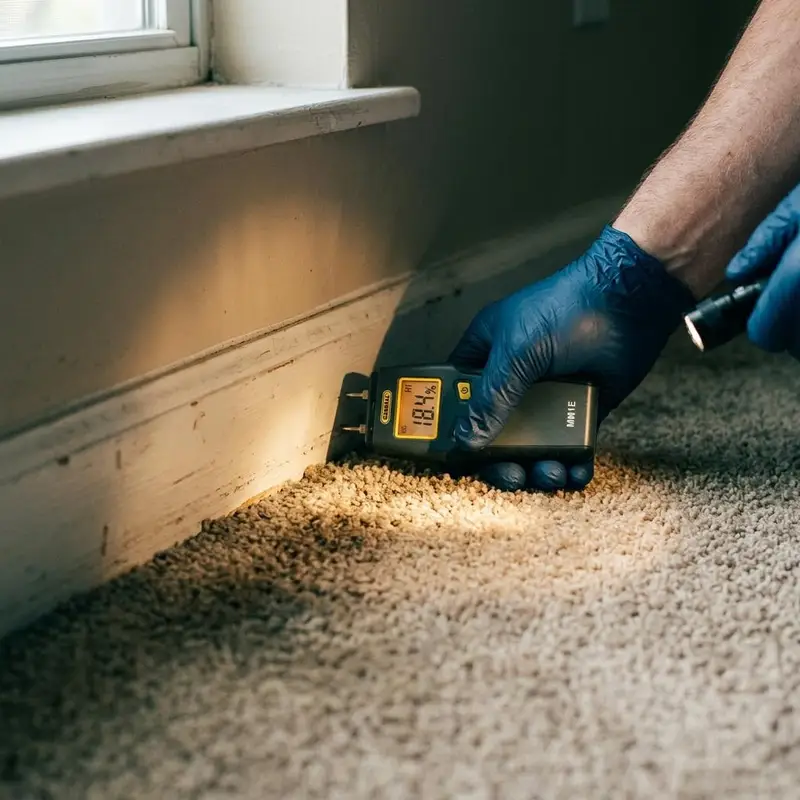
Wear gloves, a mask, and eye protection when inspecting carpet for mold. Mold spores can become airborne and cause respiratory irritation. A flashlight, a moisture meter (available at hardware stores), and a small screwdriver or probe to lift carpet edges are helpful tools. Keep the room well-ventilated. If you suspect a large contamination, consider leaving the inspection to professionals who have the equipment and training to handle it safely.
Check 1: Sniff for Musty Odors
The nose is often the first detector. A musty, earthy, or sour smell in a room suggests moisture and microbial growth. Walk the room at carpet level: get down on your hands and knees and sniff close to the surface. Odors tend to be strongest near baseboards, under furniture, and along exterior walls where temperature differences can cause condensation. If the smell is persistent even after cleaning and airing the room, mold may be growing in the pad or subfloor beneath the carpet.
Check 2: Look for Visible Discoloration
Inspect the carpet for dark spots, yellowing, or greenish-black patches. Mold stains often start small and spread outward in a circular pattern. Check areas that get little foot traffic, such as behind furniture, in closets, and along the edges of the room. Discoloration can also appear as a shadow under the carpet fibers, so part the fibers with your fingers and look at the backing. If you see any fuzzy or powdery growth, that is active mold.
Check 3: Feel for Dampness and Sponginess
Walk across the carpet in bare feet or socks. Damp areas feel cool and slightly sticky. Press down firmly: if the padding feels spongy or the carpet stays compressed after you lift your foot, there may be moisture trapped underneath. Use the back of your hand to feel for dampness near baseboards and under windows. A moisture meter can give a numerical reading: anything above 20 percent moisture content in the carpet or pad is a red flag.
Check 4: Lift the Carpet at Suspicious Spots
Using the screwdriver or probe, gently lift a corner of the carpet near the wall where you notice odor or discoloration. Pull back the carpet and padding to inspect the subfloor. Look for black or white mold on the pad, water stains on the subfloor, or a powdery residue. The space between the carpet and the pad is a common hiding place for mold, because it stays dark and can hold moisture for a long time. Replacing the pad and drying the subfloor is often necessary even if the carpet surface looks clean.
Check 5: Review Past Water Incidents
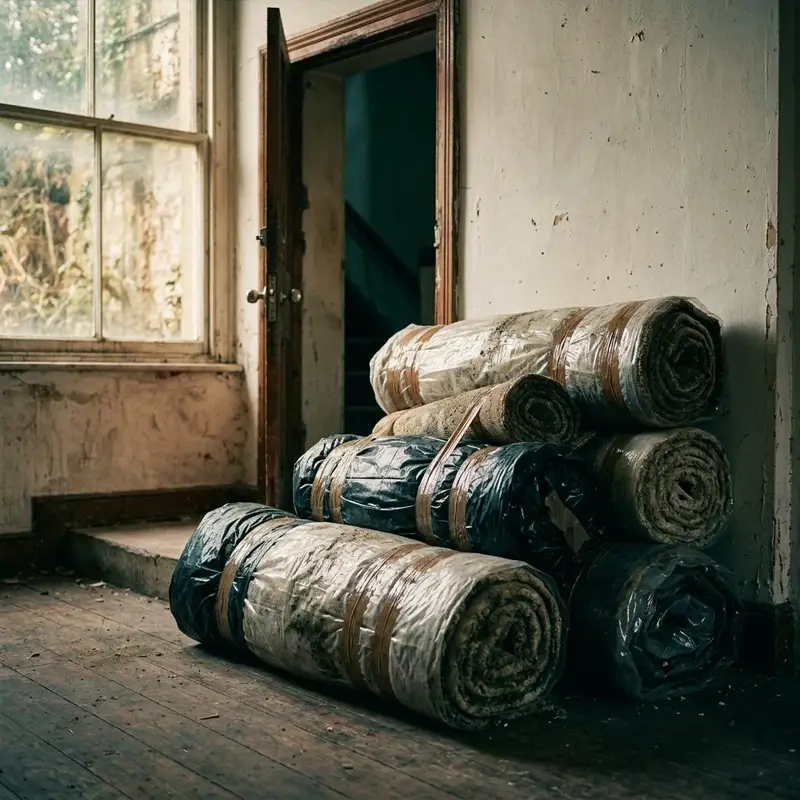
Think back over the past year. Was there a flood, a burst pipe, a roof leak, or a spill that soaked the carpet? Did you use a wet vacuum or a steam cleaner without properly drying the carpet afterward? Carpet that was flooded and dried slowly is at high risk for mold, even if it looks fine now. Mold can lie dormant in dry carpet and reactivate when humidity rises again. If the carpet has been wet more than once, it is worth having it professionally inspected. Carpet Mold Removal Services Pros can test for hidden contamination and advise on the best course of action.
Check 6: Check for Condensation and Humidity
High indoor humidity feeds mold. Use a hygrometer to measure the room's relative humidity. Levels above 60 percent for extended periods encourage mold growth. Check windows for condensation, especially in bedrooms and bathrooms. If the carpet is laid over a concrete slab on grade, moisture can wick up through the concrete and into the carpet. A simple test is to tape a square of plastic sheeting (about 12 by 12 inches) to the concrete floor overnight. If moisture collects under the plastic, the slab is releasing water vapor that can affect the carpet.
Check 7: Examine the Carpet's Backing and Seams
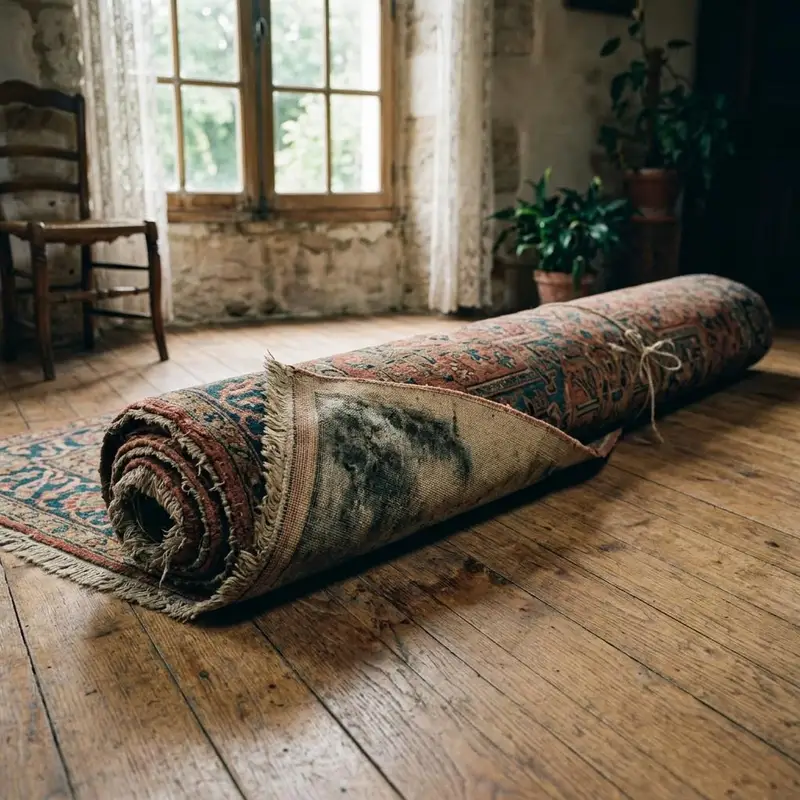
Mold often starts at the edges and seams of carpet, where water can seep into the backing. Run your fingers along the seams and look for any lifting, curling, or dark staining. The backing material is usually jute or a synthetic alternative; jute is organic and especially prone to mold. If the backing feels brittle or crumbly, it has likely been damaged by moisture. This is a strong sign that the carpet needs to be replaced rather than cleaned.
When to Call a Professional
If you find any of the signs described above, or if the musty smell persists after airing the room, it is time to bring in experts. Carpet Mold Removal Services Pros have the tools to test the extent of contamination, identify the source of moisture, and recommend whether cleaning, drying, or replacement is needed. They can also treat the subfloor to prevent mold from returning. Attempting to clean large areas of moldy carpet yourself can spread spores and make the problem worse. Professional assessment gives you a clear plan and peace of mind.
Inspecting carpet for mold does not require special training, just careful observation and a willingness to get down on floor level. By checking for odors, stains, dampness, and hidden moisture, you can catch mold early and avoid costly remediation later. If you find evidence of mold, act quickly: mold does not go away on its own, and the longer it sits, the more it spreads. With a systematic approach, you can protect your home and your health from the hidden dangers of moldy carpet.